A Spoonful of Black Gold
Black Seeds with Sweet Little Secrets
Some foods arrive at us carrying more than flavor. They carry age-old geography, faith, ritual, and the quiet intelligence of people who learned how to nourish the body long before wellness became an industry.
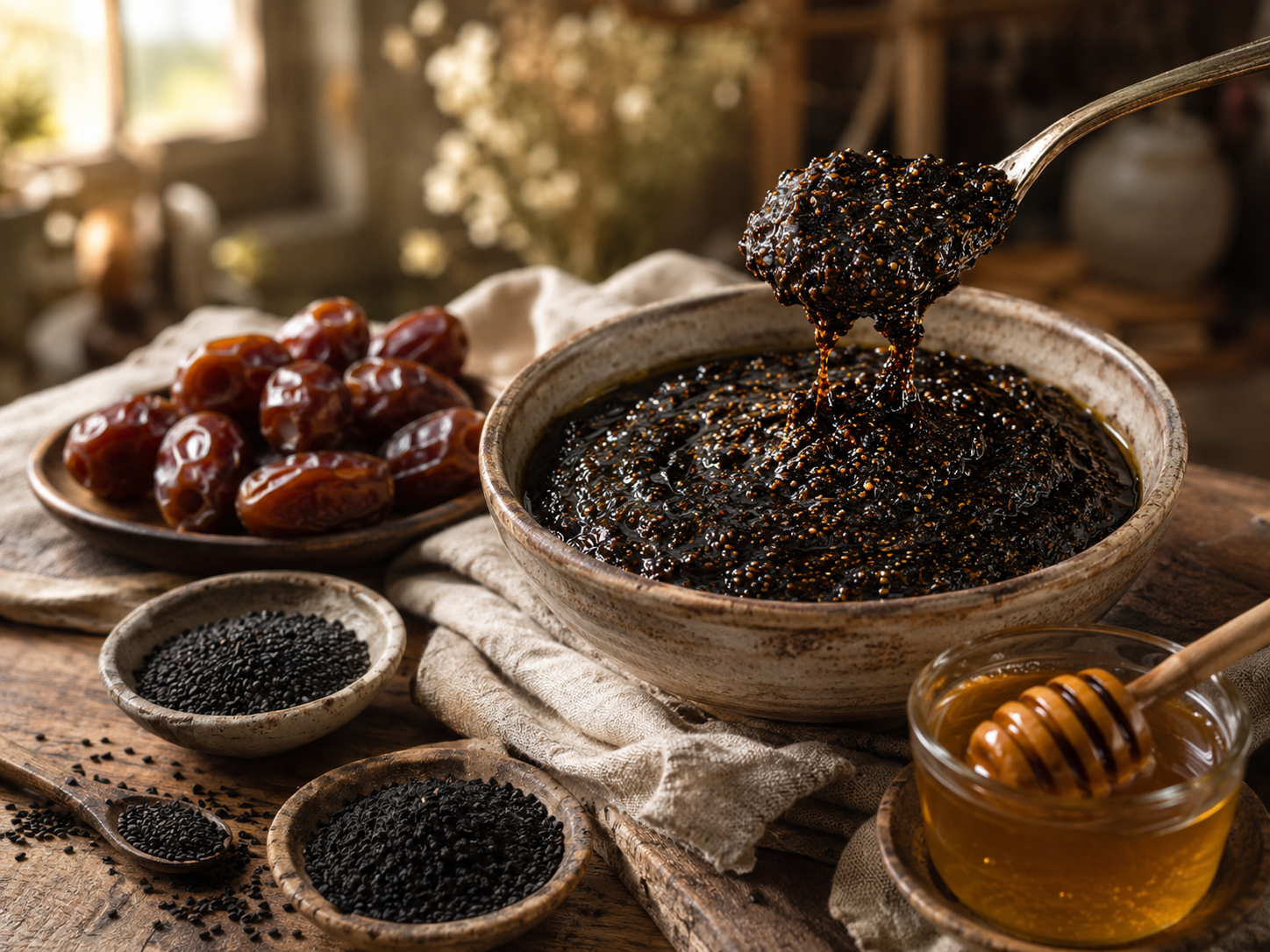
A spoonful made from black sesame seeds, black nigella seeds, pitted Medjool dates, and wildflower honey is not new in spirit, even if this exact blend feels newly rediscovered. Each ingredient belongs to an older vocabulary of care: the seed, the fruit, the flower, the hive. Together, they form something dense, earthy, sweet, and sustaining — not a miracle cure, but a reminder that many healing traditions began with ordinary foods used with extraordinary respect.
Black Seed: The Tiny Seed with a Sacred Reputation
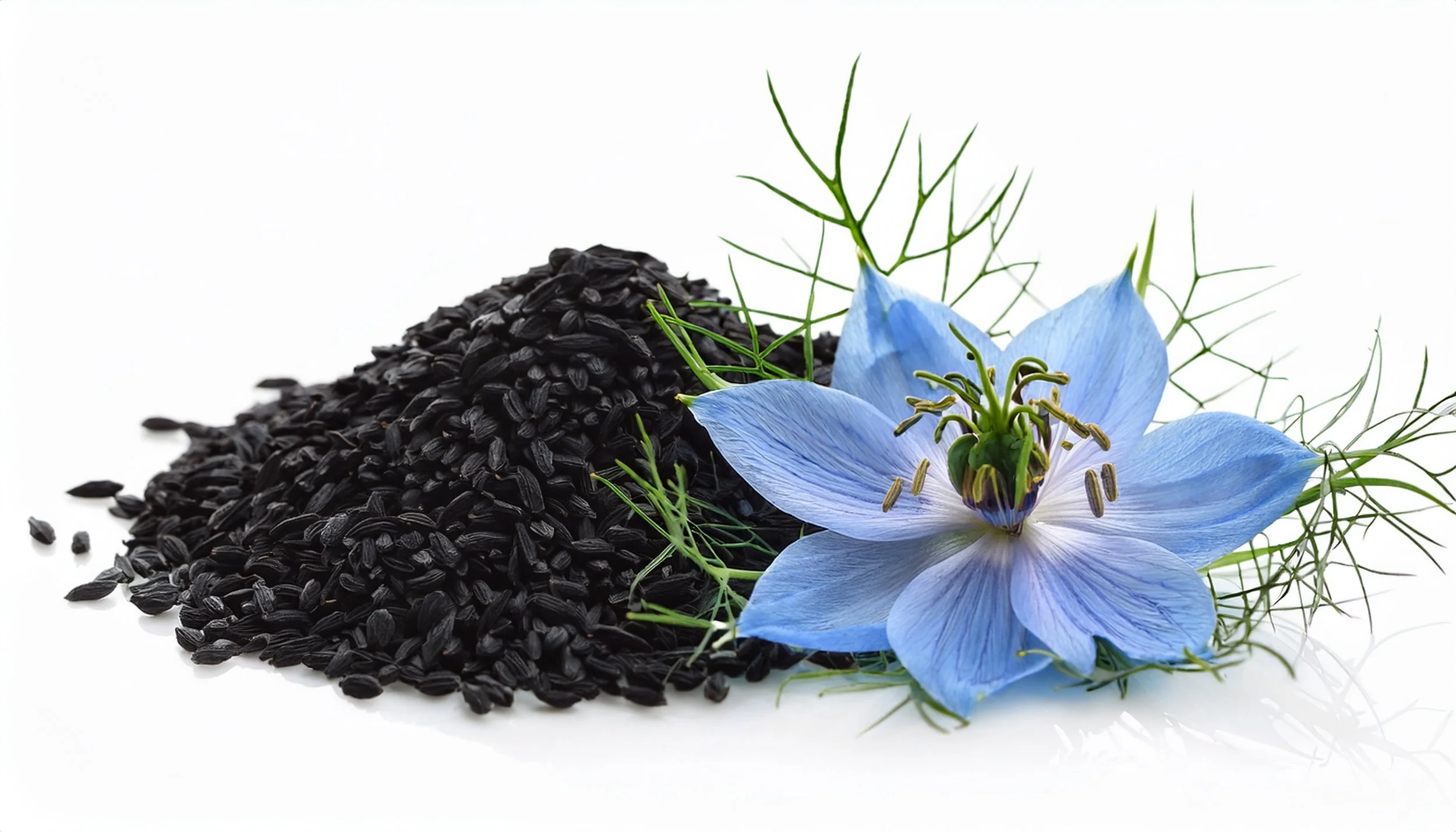
Nigella seed, often called black seed, black cumin, or Nigella sativa, holds a revered place in Islamic, Middle Eastern, North African, and South Asian traditions. Its reputation is famously tied to a saying attributed to the Prophet Muhammad (PBUH): that black seed contains healing for every disease except death. In Sahih al-Bukhari, the phrase appears in the context of black cumin as a medicine, with “death” named as the one exception. (Sunnah)
This line has endured for centuries because it speaks to more than just pharmacology. It speaks to how deeply people trusted this seed — how it was seen not merely as a spice, but as a companion to resilience. In traditional practice, black seed and black seed oil have been used for digestion, respiratory complaints, immune support, skin care, and general vitality. Modern research has focused especially on thymoquinone, one of its key compounds, which has been studied for antioxidant and anti-inflammatory properties. (PMC)
Still, the old phrase should be held with reverence, not literal overstatement. Black seed is not a substitute for medical care. Its wisdom is better understood as cultural testimony: a sign that generations noticed something powerful in this tiny, bitter, aromatic seed.
Black Sesame: The Seed of Longevity, Essence, and Quiet Strength
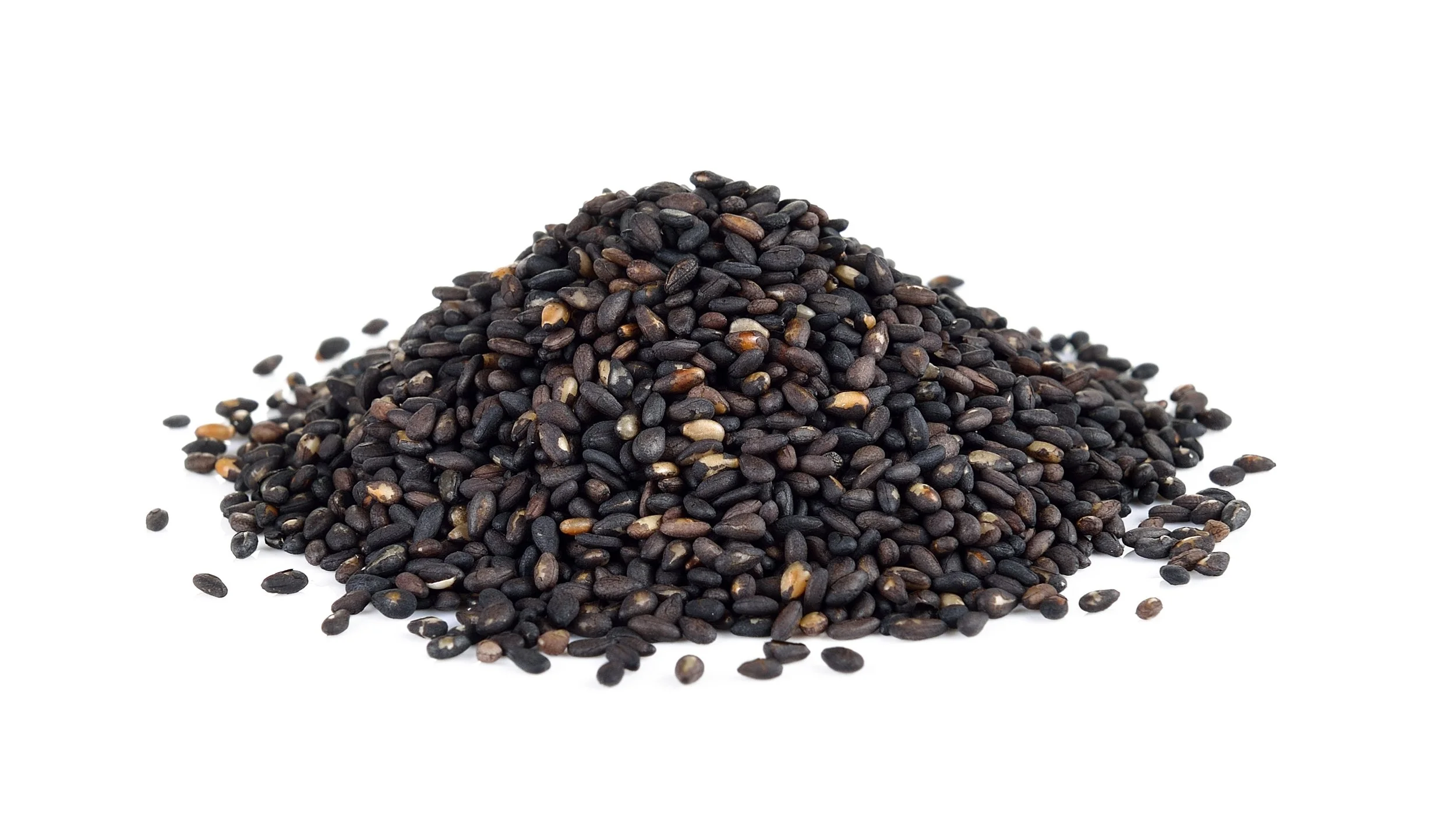
Black sesame has its own ancient dignity. In Traditional Chinese Medicine, black sesame seed — known as Hei Zhi Ma — has long been used as a food-grade tonic associated with nourishing the Liver and Kidneys, supporting blood and essence, moistening dryness, and restoring vitality, especially in states of depletion or aging. (Me & Qi)
In many East Asian food traditions, black sesame appears in porridges, pastes, desserts, tonics, and medicinal foods. Its dark color is part of its symbolic power: in traditional Chinese thought, black foods are often associated with the Kidney system, deep reserves, winter, restoration, and longevity.
Nutritionally, black sesame provides plant-based fats, protein, fiber, minerals, and antioxidants. It is a small seed, but it carries density — the kind of density that makes food feel grounding. When lightly toasted, it becomes more fragrant, more digestible for many people, and more flavorful, releasing a deep nuttiness that softens beautifully into honey and dates.
Medjool Dates: The Fruit of Desert Civilization
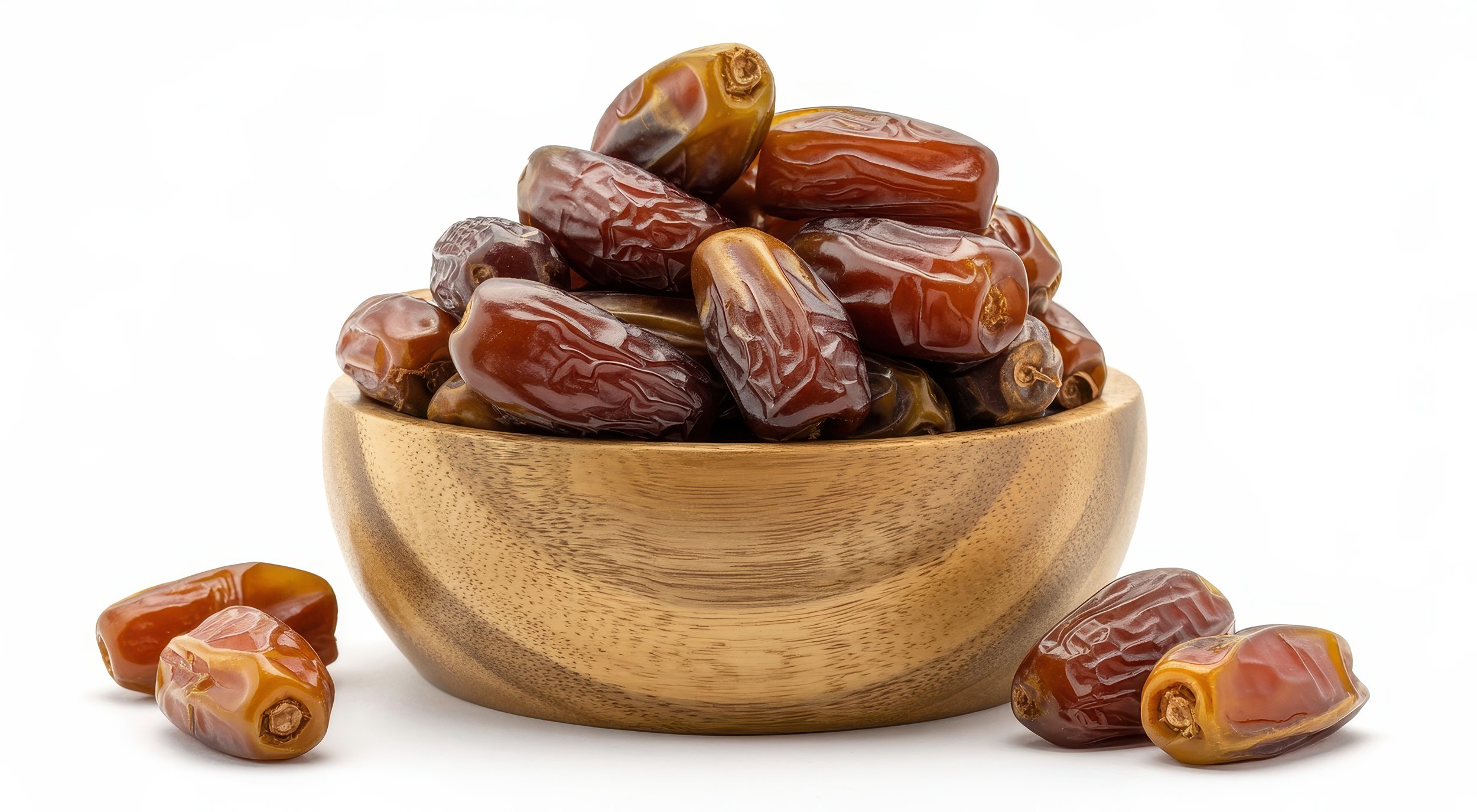
Dates are among the great survival foods of the ancient world. The date palm has been central to life across the Middle East and North Africa for millennia, not only as a source of fruit, but as a tree of shade, shelter, material, trade, and cultural meaning. The Natural History Museum describes the date palm as a cornerstone of civilization in the Middle East and North Africa, with scientific, religious, and cultural significance across the region. (Natural History Museum)
Medjool dates, in particular, bring a soft, caramel-like richness. They are sweet, but not empty. Dates contain fiber, potassium, magnesium, and natural carbohydrates, which is why they have long been used as a quick source of energy and nourishment. In this blend, the dates do something beautiful: they bridge the bitterness of nigella, the earthiness of sesame, and the floral sweetness of honey. They make the medicine-like ingredients feel like food again.
They also remind us that sweetness was once seasonal, sacred, and earned from the land — not refined into excess, but held inside fruit.
Wildflower Honey: The Memory of Flowers
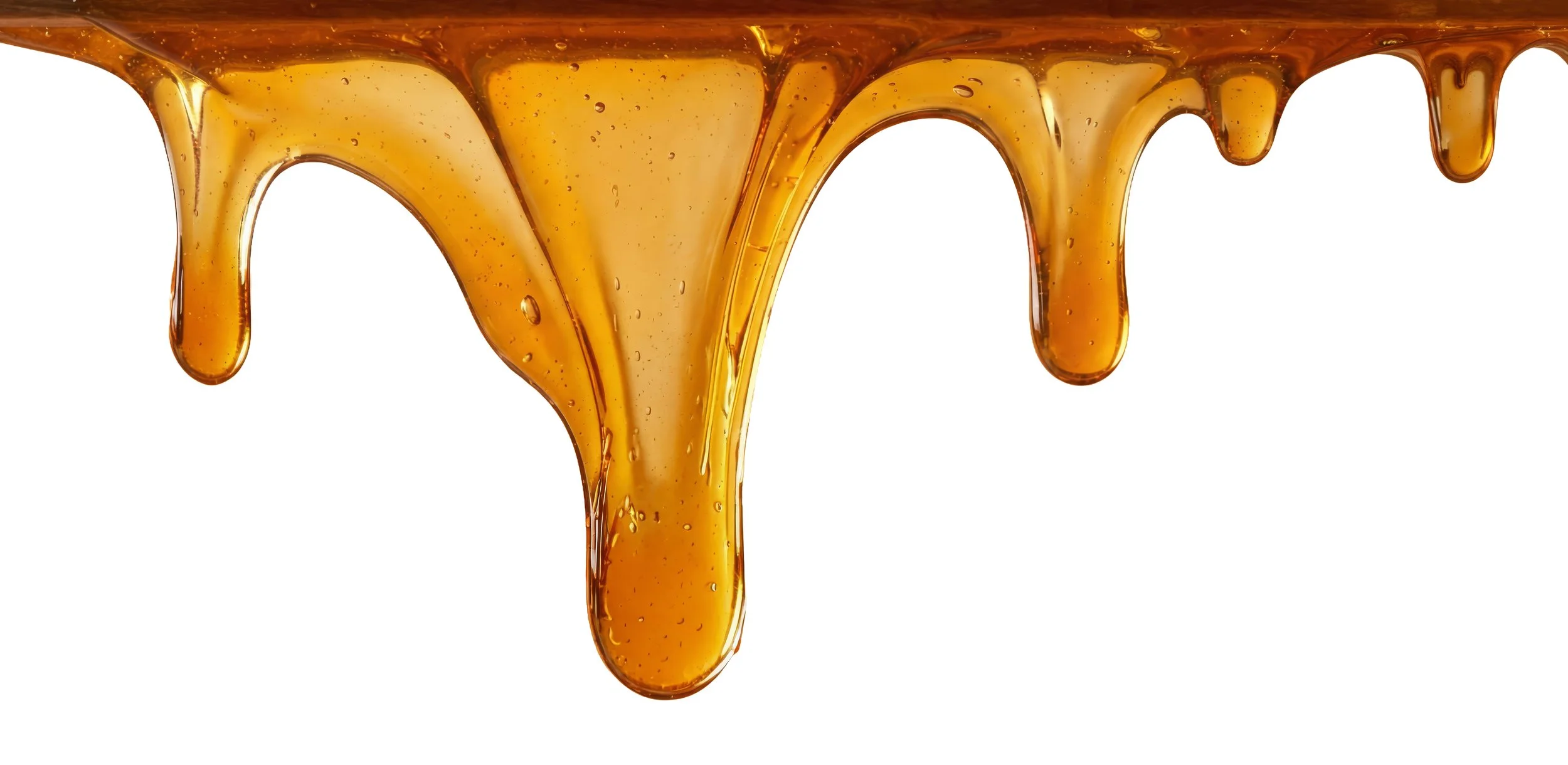
Honey is one of humanity’s oldest sweeteners and remedies. Ancient medical cultures used honey for wound care and preservation, and modern reviews continue to examine its antimicrobial, antioxidant, and wound-supporting properties, particularly in medical-grade settings. (PMC)
Wildflower honey is especially poetic because it is not from a single plant. It is a landscape gathered by bees. Depending on the season and region, it may carry traces of clover, wild herbs, blossoms, grasses, and trees. Its flavor changes because the land changes.
In this recipe, honey is not just a sweetener. It is the binder. It turns seeds and dates into a paste. It preserves softness. It carries the bitterness. It allows one tablespoon to feel complete.
Why the Combination Matters
What makes this blend meaningful is not only the individual benefit of each ingredient, but the way they balance one another.
Black seed is sharp, bitter, and aromatic. Black sesame is nutty, mineral-rich, and grounding. Medjool dates are soft, fibrous, and naturally sweet. Wildflower honey is floral, golden, and binding.
Together, they create a food that is dense without being heavy, sweet without being empty, and ancient without pretending to be magical.
There is a lesson in that balance. Traditional foods often understand what modern wellness sometimes forgets: nourishment is not only about isolated nutrients. It is about warmth, digestion, rhythm, seasonality, and how ingredients work together.
The Wisdom of One Tablespoon
The recommendation of one tablespoon a day is important because this is a potent, calorie-dense food. Seeds, dates, and honey are all concentrated sources of energy. A tablespoon is enough to give the body a small daily offering without turning nourishment into excess.
It can be taken in the morning, with tea, before a long day, after a walk, or as a small afternoon restorative. The point is not to consume a lot. The point is to create a rhythm.
A tablespoon says: I do not need to overwhelm the body. ” I can support it gently. I can return to the same small act every day.
A Food, Not a Promise
It is important to speak about these ingredients with respect and honesty. They have long histories in traditional medicine and are supported by growing scientific interest, but they should not be presented as cures for disease. Anyone managing diabetes, allergies, pregnancy-related concerns, digestive issues, blood sugar sensitivity, or chronic illness should treat this as a food ritual and consult a qualified clinician when needed.
The deeper value of this blend is not in making grand promises. It is in remembering that the body responds to consistency, simplicity, and care.
Reflection
This spoonful belongs to a lineage of humble foods that nourished people through deserts, winters, migrations, illness, fasting, recovery, and daily life. It carries the sacred reputation of black seed, the longevity symbolism of black sesame, the desert sweetness of dates, and the floral intelligence of honey.
One tablespoon a day is not a trend, but a small return.
Our Recommendations